The Rockhouse has been part of Salzburg’s music scene for decades. We’ve put together the essentials for you here.
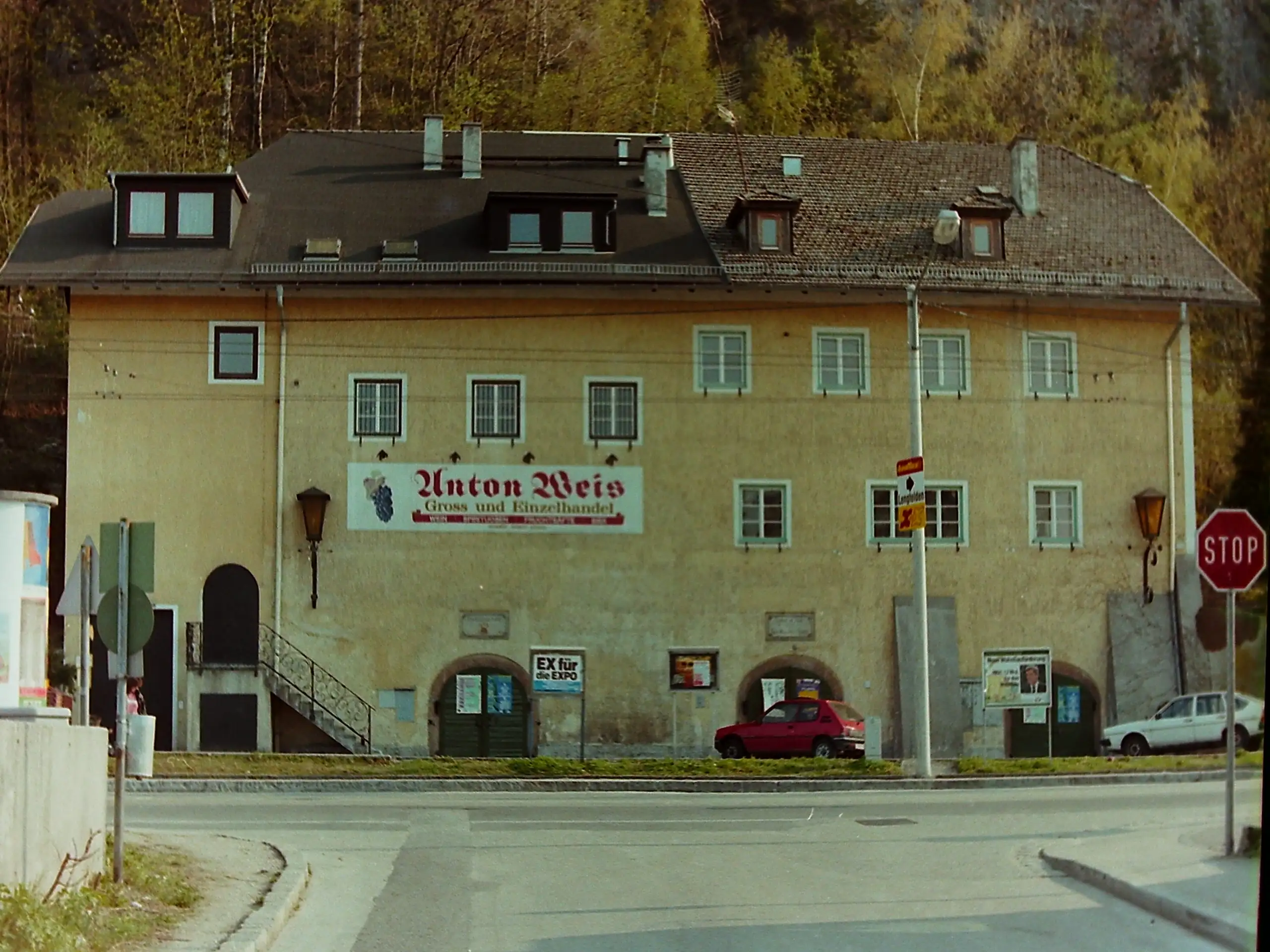
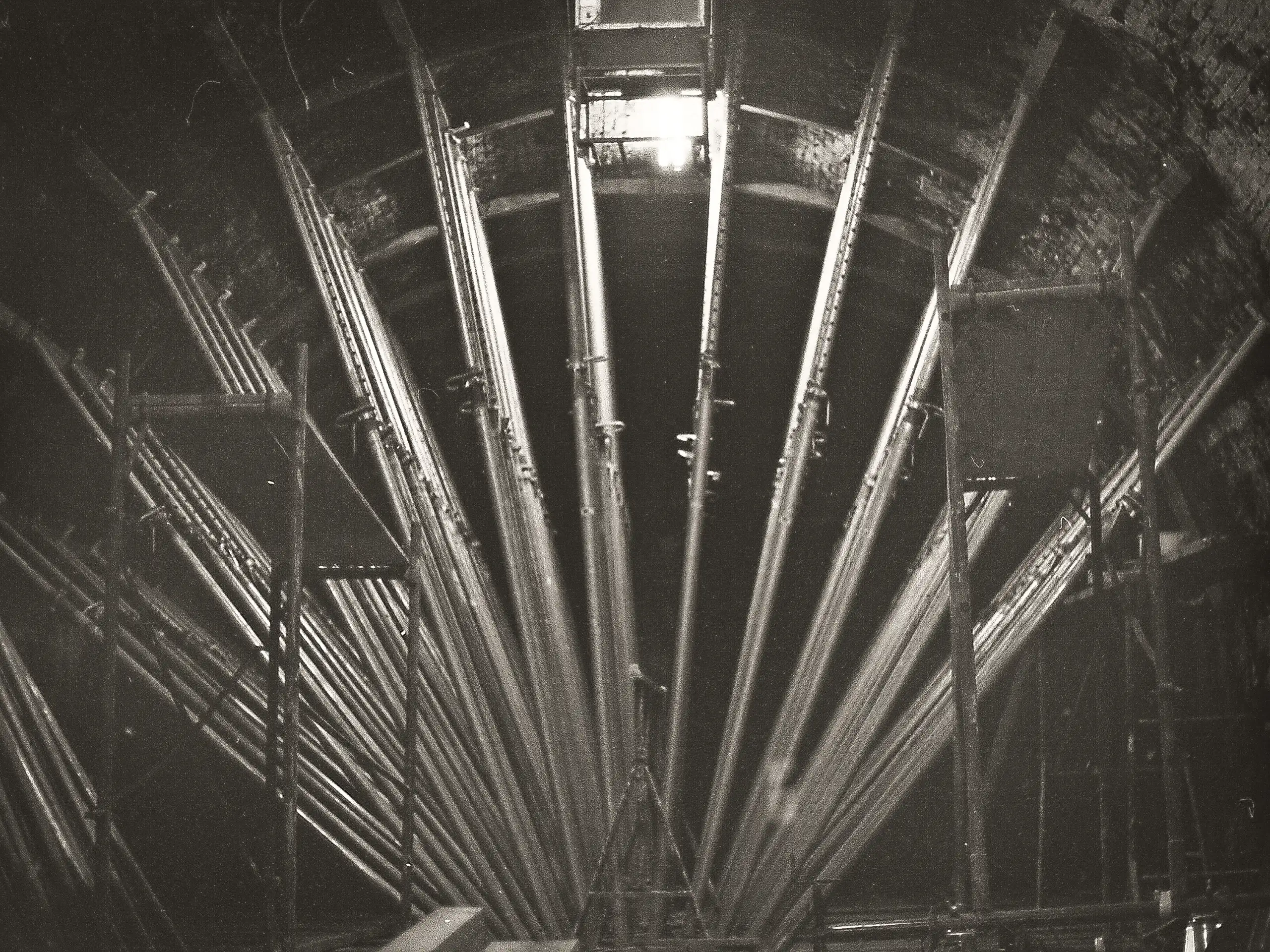
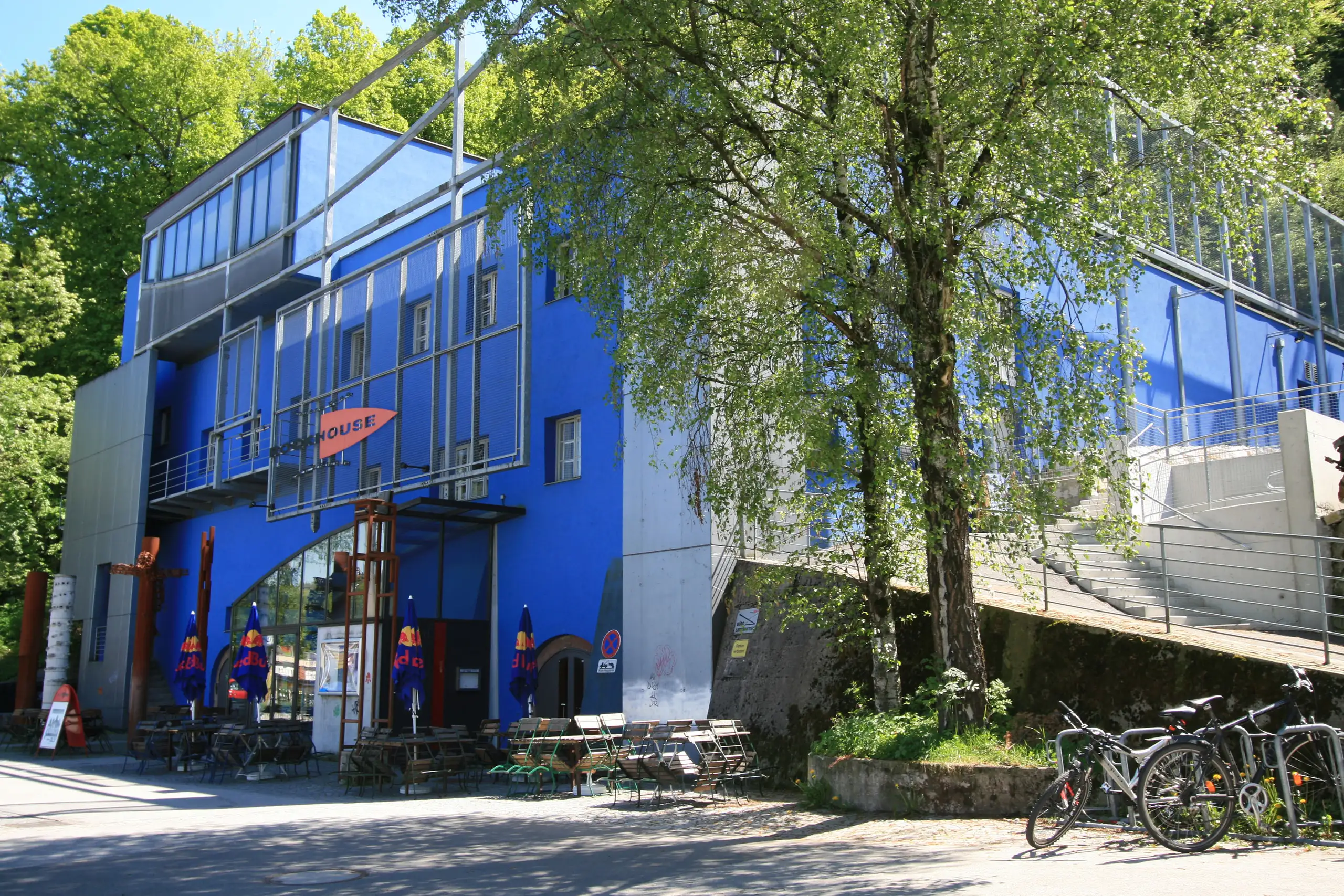
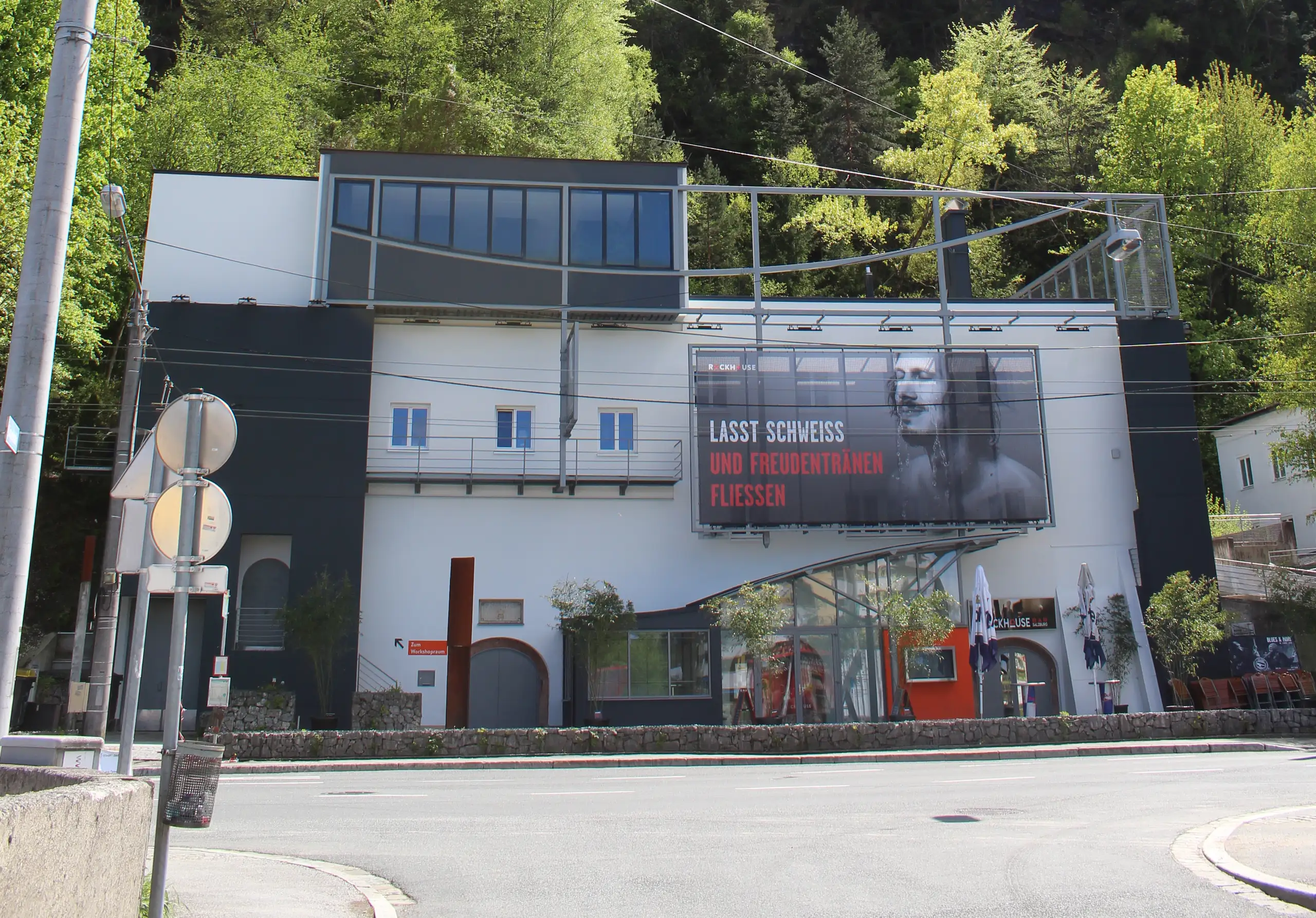
In 1842, the building at today’s Schallmooser Hauptstraße 46 was constructed by Joseph and Elise Gansl. Part of the vault’s original structure also dates from this period. Due to constant cool temperatures inside Kapuzinerberg, the historic cellar complex was used as a storage cellar by Gablerbräu from the 19th century onwards.
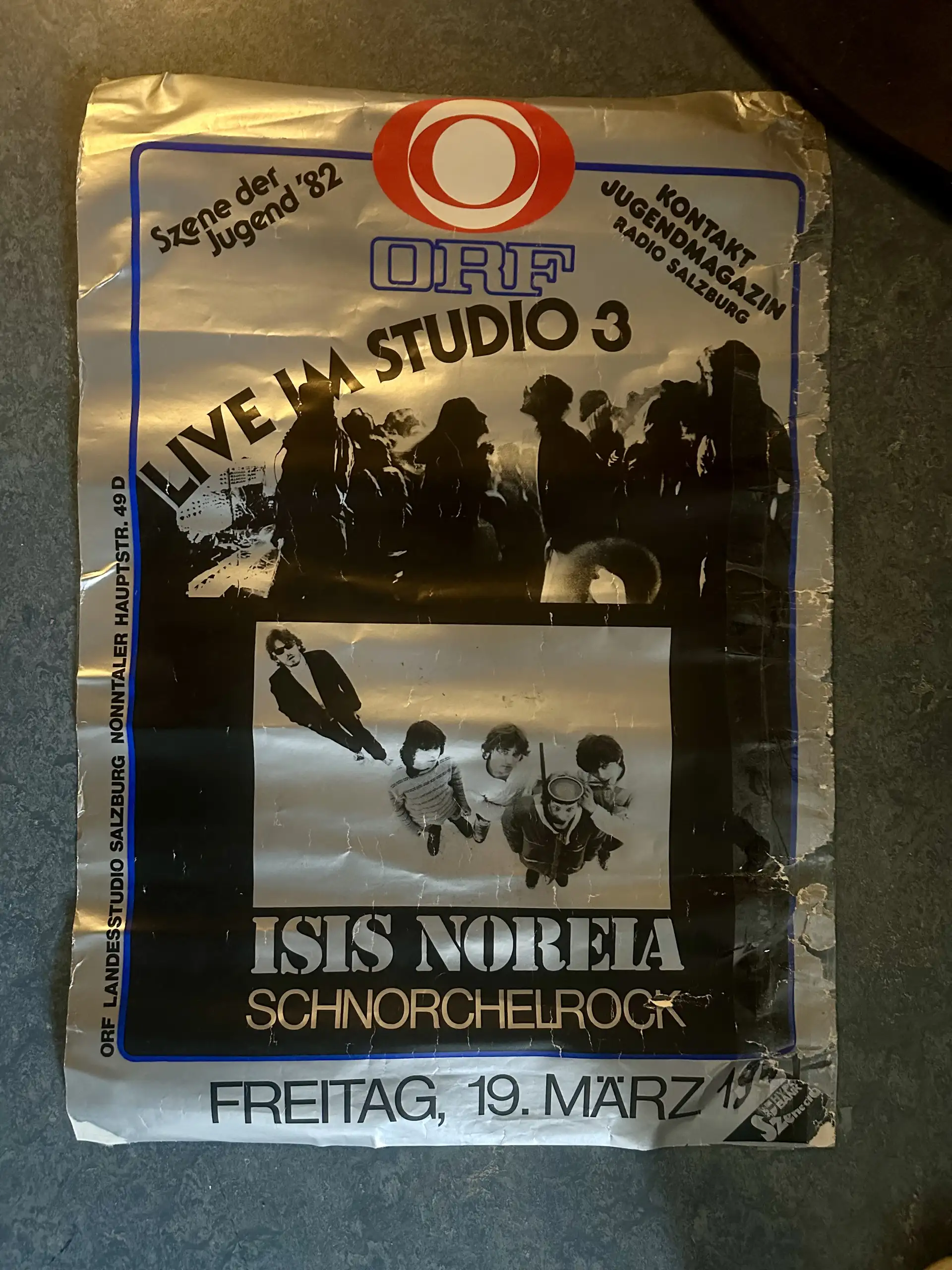
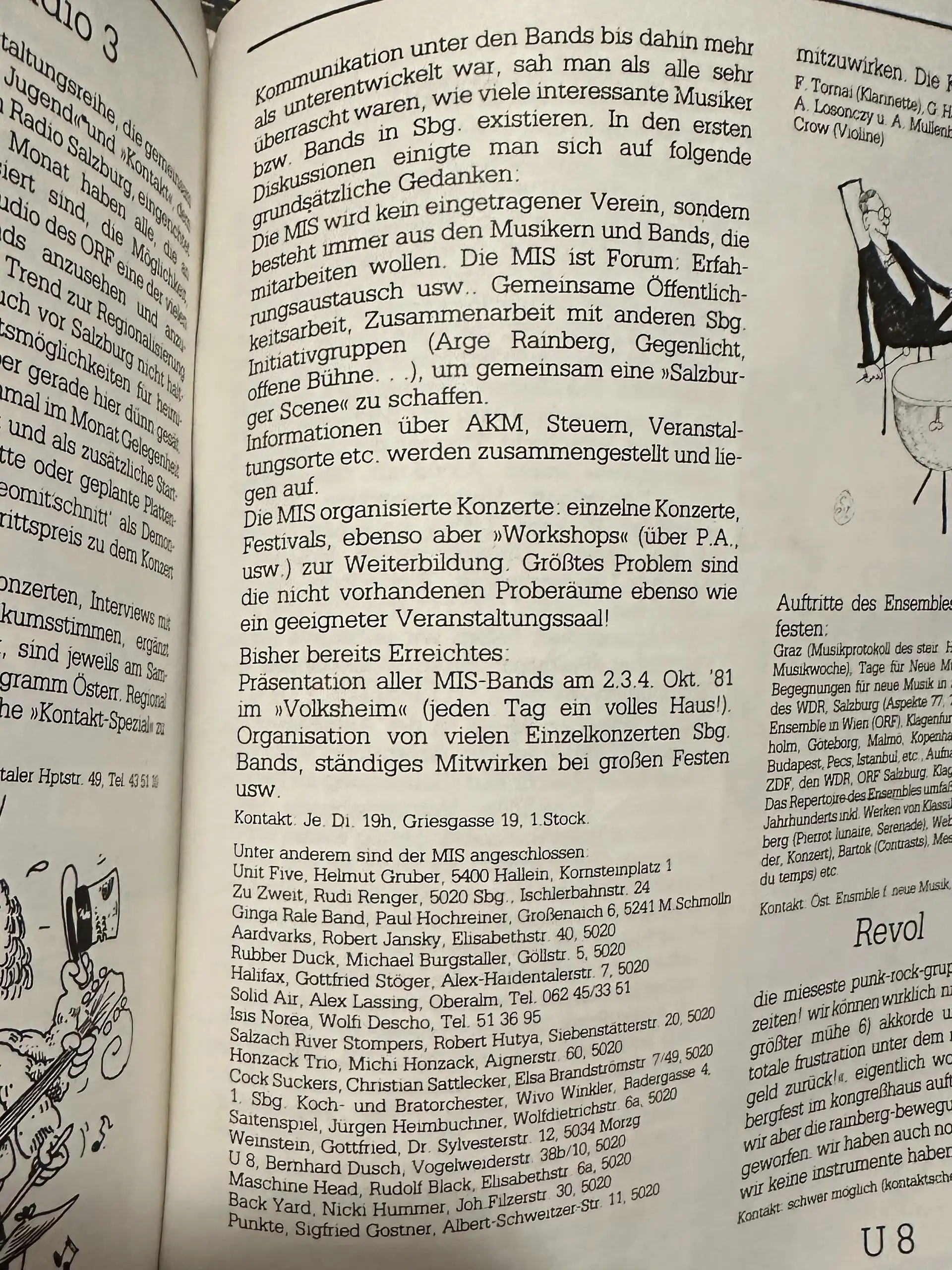
In the early 1980s, discontent began to grow over the shortcomings in Salzburg’s cultural landscape: there was no infrastructure, too few performance opportunities, no rehearsal spaces, no adequate support for the music scene, and, due to a lack of venues, no concerts by interesting or international bands.
A first signal of change was sent with a three-day festival from October 2nd to 4th 1981 at the Volksheim. 19 local bands collected and divvied up 26 noise complaints.
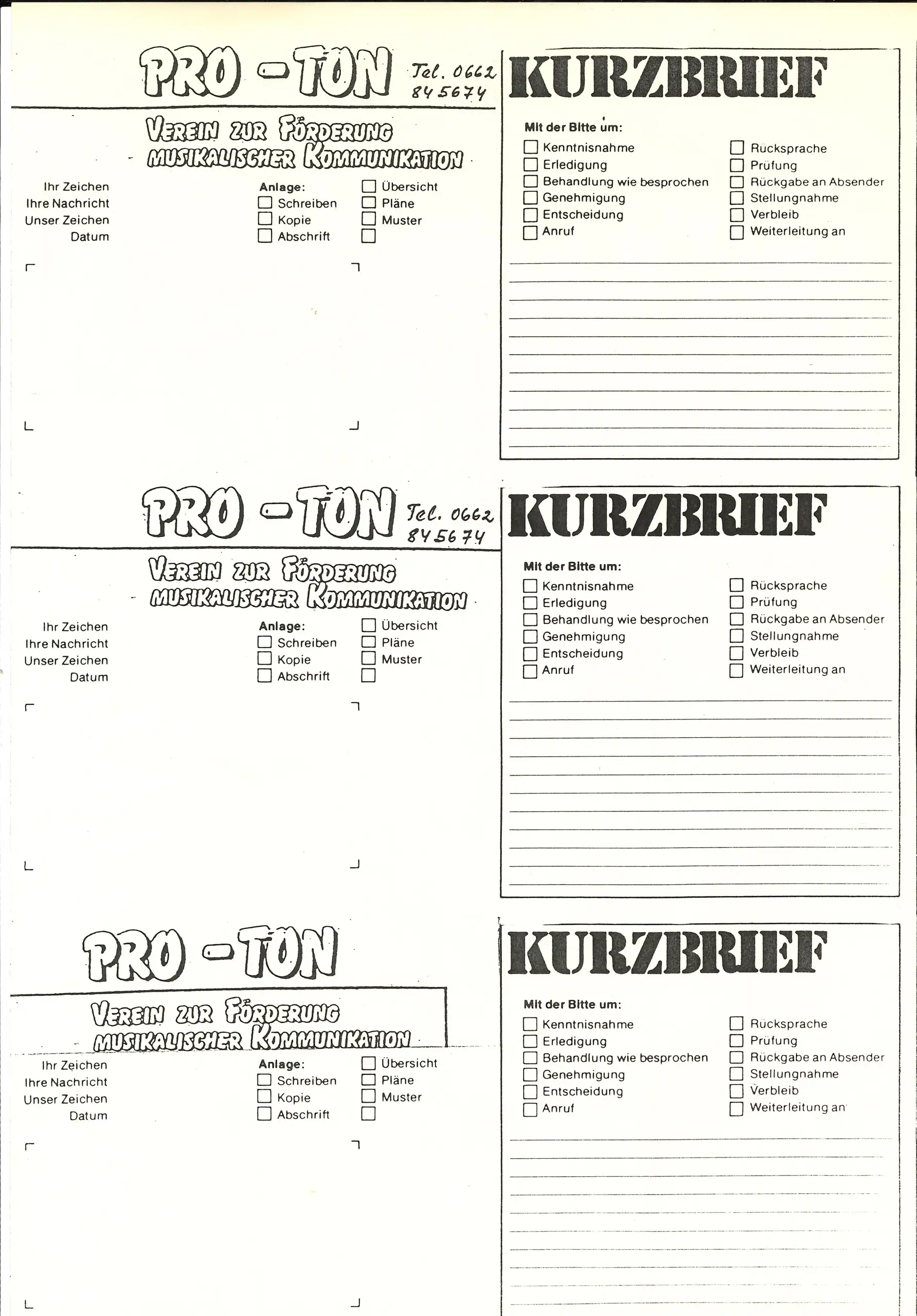
The association "Pro-Ton" was founded in 1985 by a handful of cultural activists. The Rockhouse project received the unanimous approval of the cultural committee - under the leadership of actor Herbert Fux.
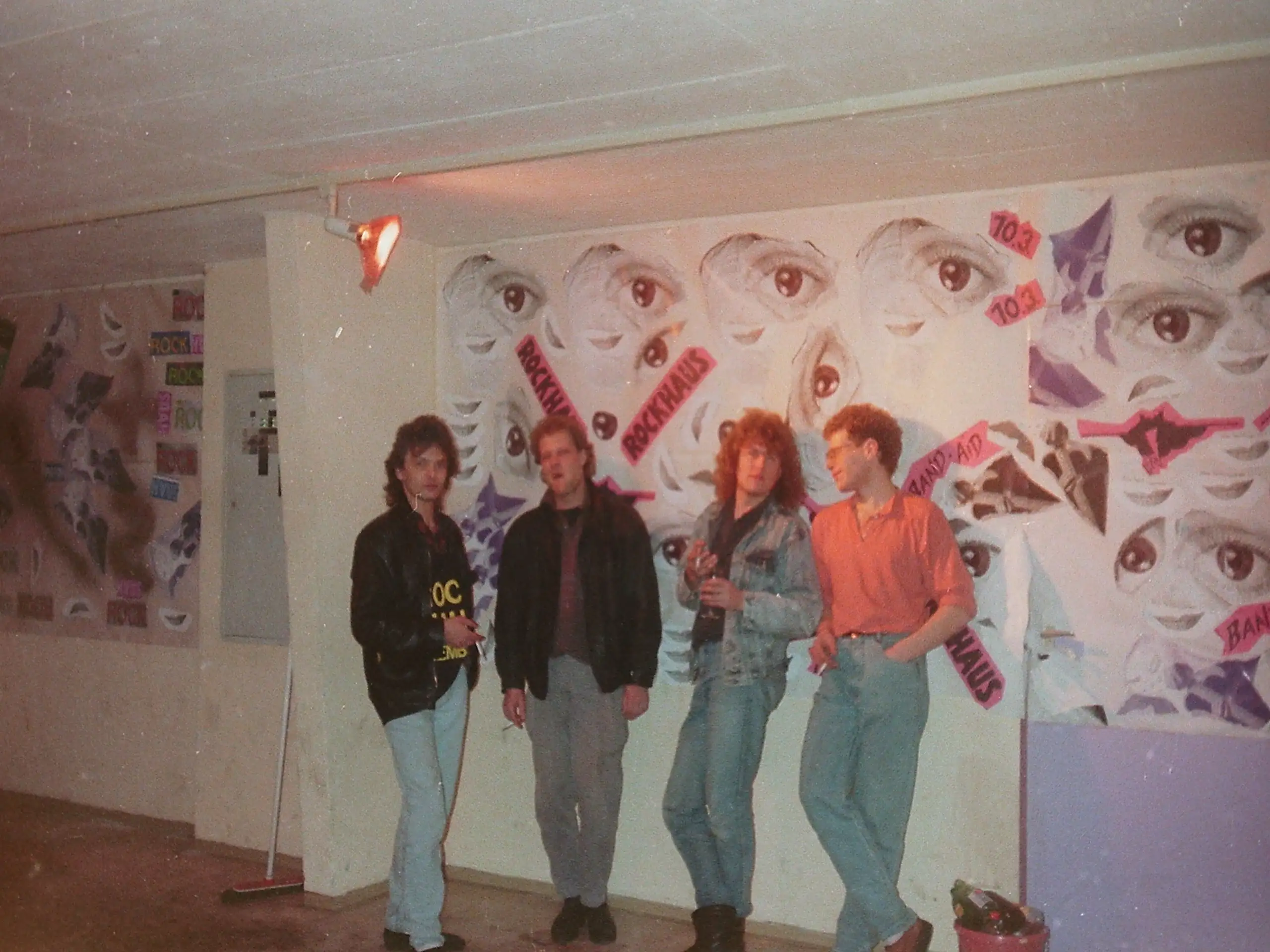
After a long search and countless discussions with politicians, and following two legendary Rockhouse Band Aid events in 1990, the municipal council unanimously decided to convert the storage cellars into today’s Rockhouse Salzburg.
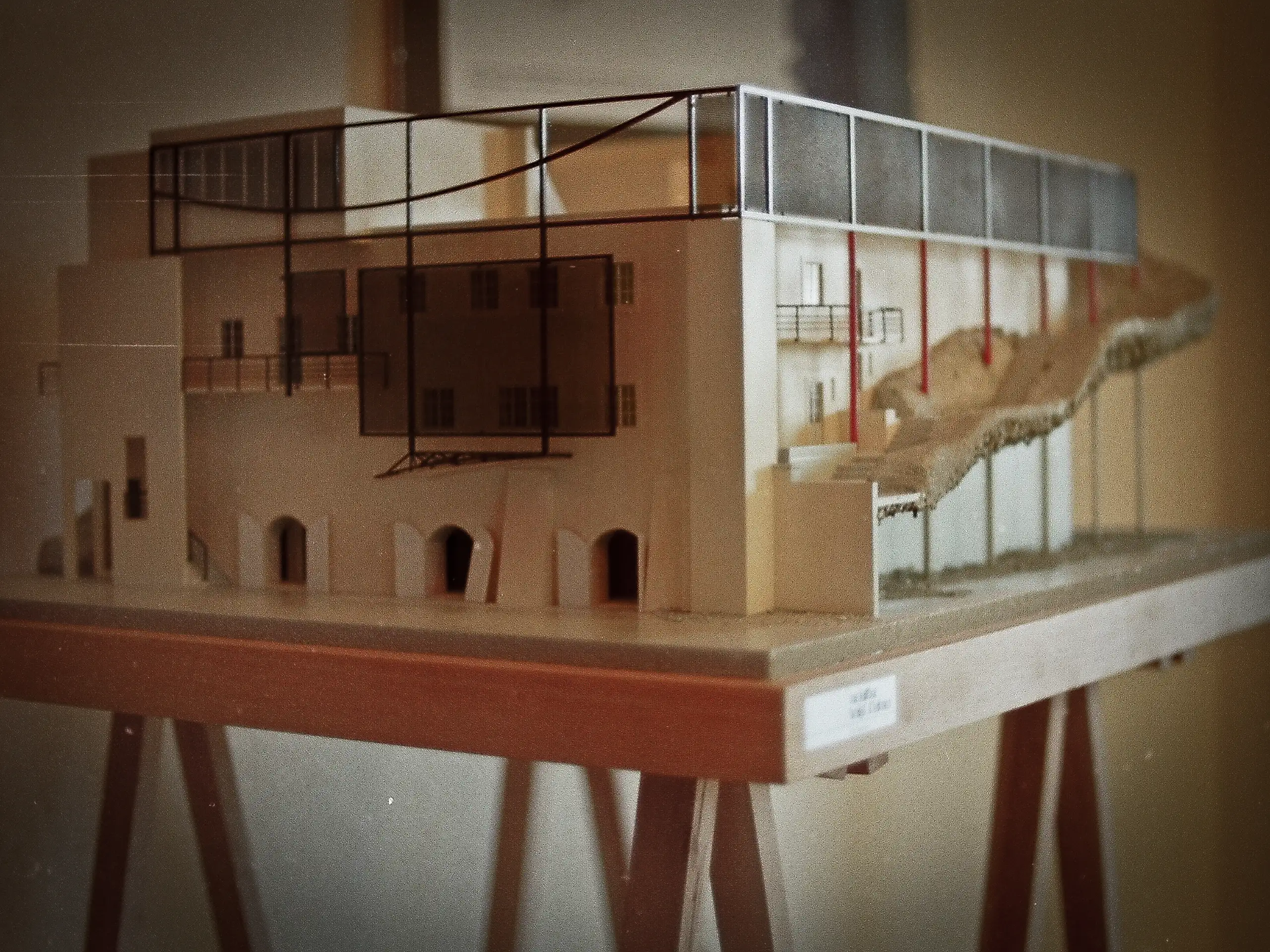
In 1991, the Rockhouse concept and the conversion plans were presented.
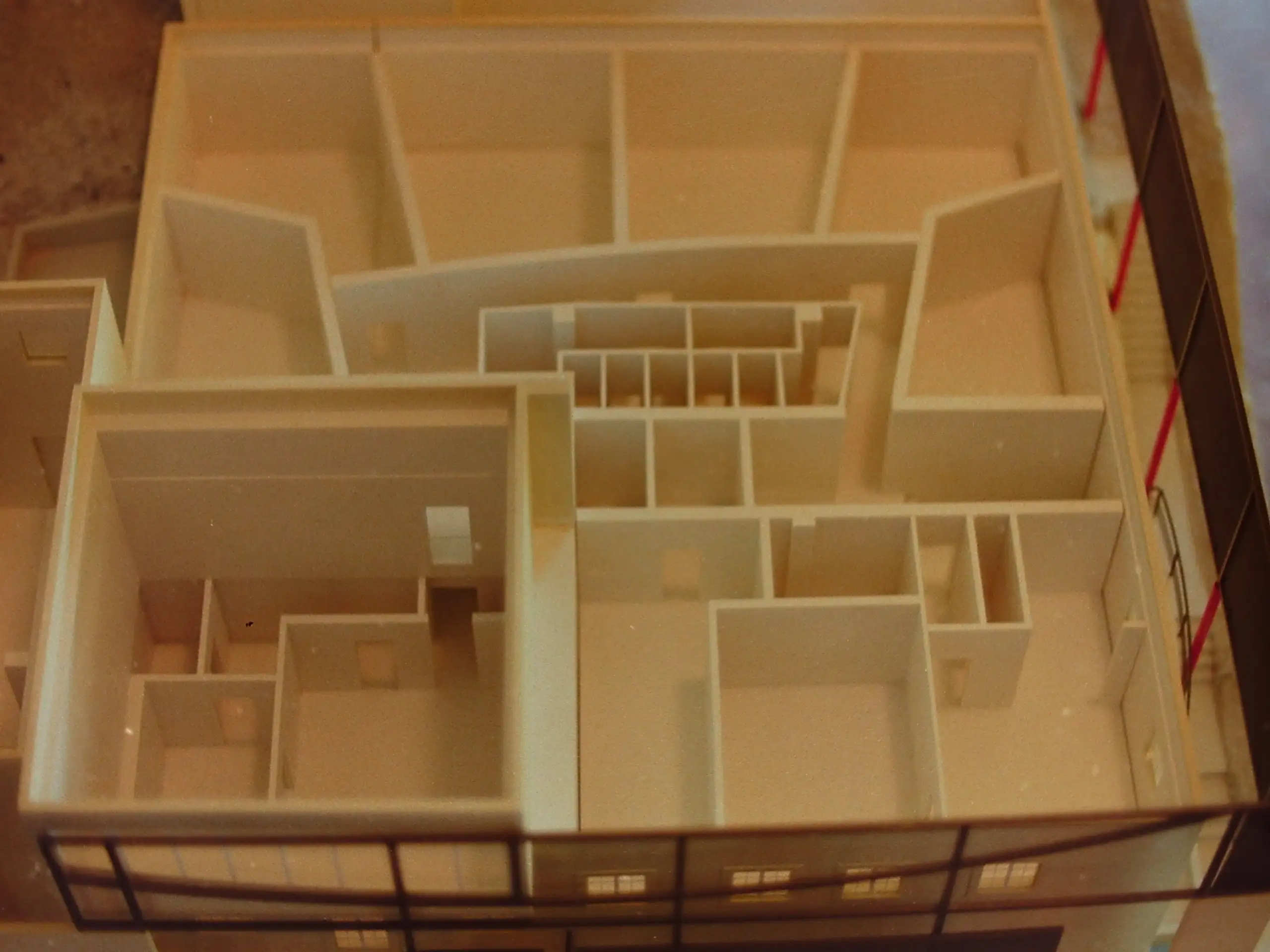
The concept was chiefly developed by Wolfgang Descho and Michl Matschedolnig on behalf of Salzburg’s musicians. The conversion plans for the Rockhouse were drawn up by Hans Schmidt and Will Lankmayer.
During this time, Rockhouse regularly hosted concerts at the Stadtkino (today Szene Salzburg) and at Arge Nonntal.
The conversion of the former wine shop began in 1992 and the topping out ceremony took place that same year.
The conversion proved extremely complex. The buried vaults first had to be uncovered.
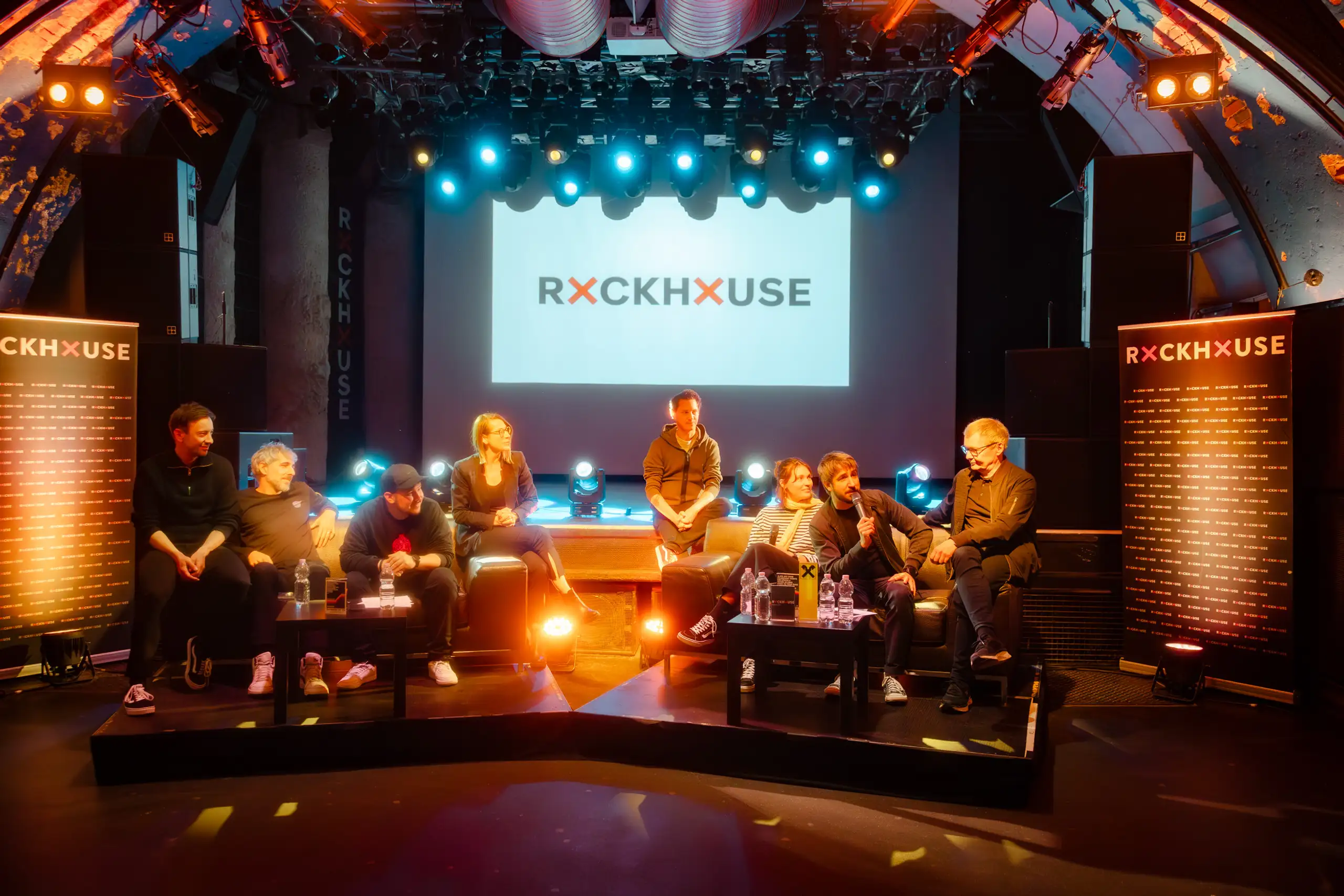
The rehearsal rooms were planned specifically for that purpose, according to acoustic requirements and carefully implemented. The Kapuzinerberg also took its toll: part of the mountain had to make way for the stage in the large hall.
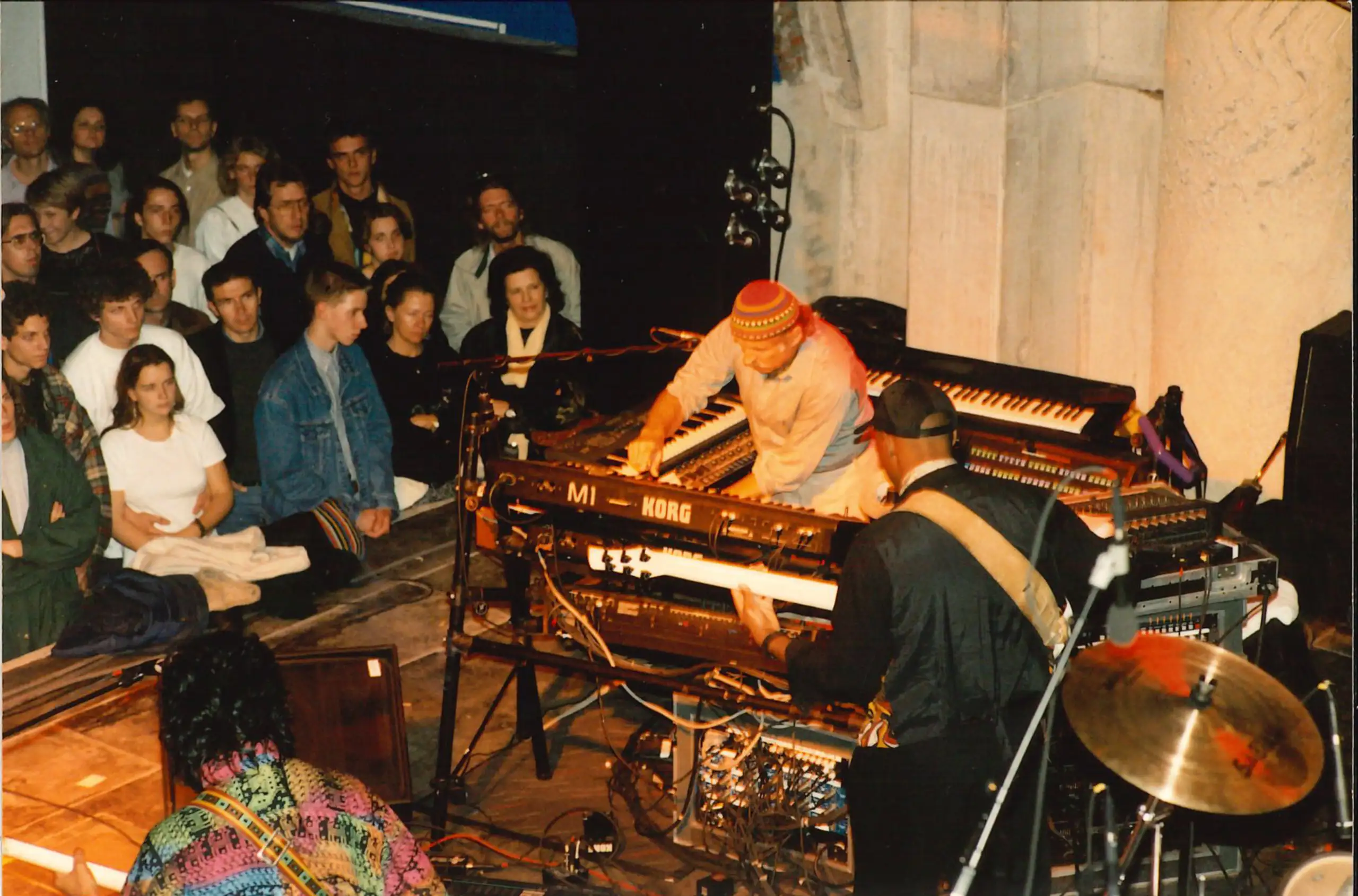
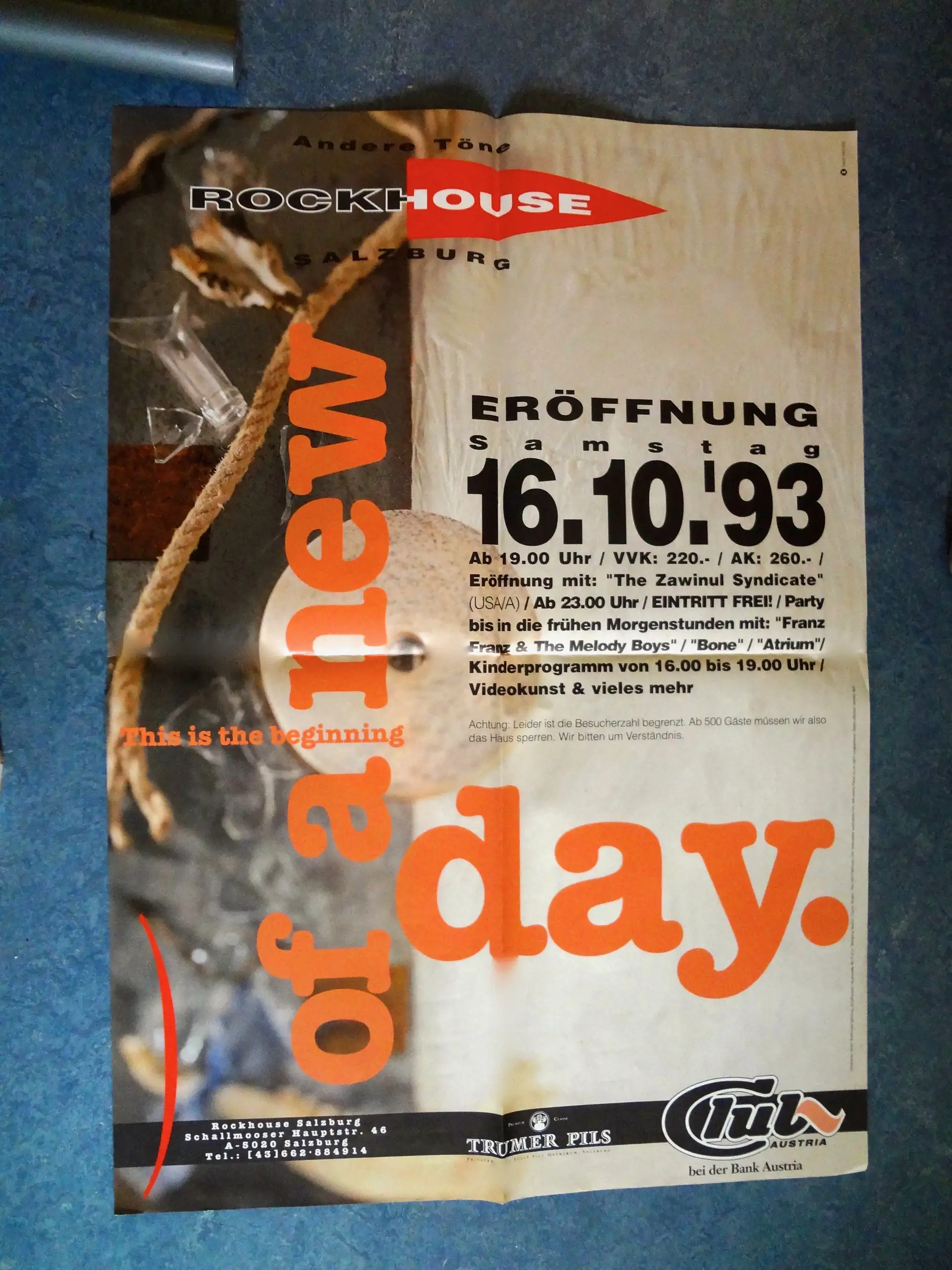
After around a year of intense building work, Rockhouse opened on 14.10.1993.
The declared aim was to establish Rockhouse as a house of music without stylistic boundaries. The idea was to offer year-round concert programming, reflecting the international, national, and regional scene.
The conceptual priorities of Rockhouse are weighted equally: it is to be a creative workspace, a place for (further) education, a communicative meeting point, and a service hub for musicians.
Wolf Arrer succeeds Hubert Moser as head of programming. For decades, he shaped Rockhouse’s programme.
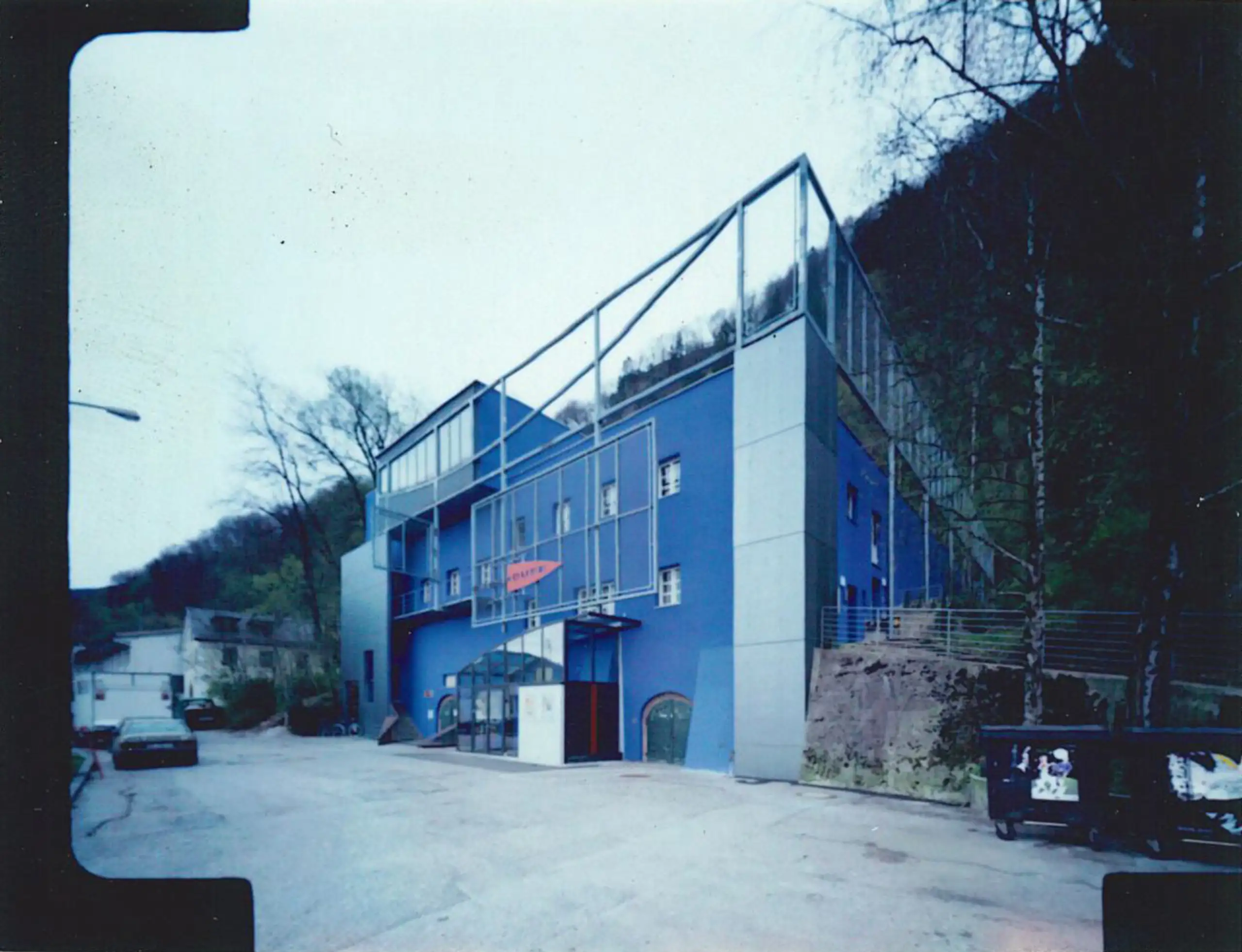
Visual brand development: Rockhouse gets a new corporate design in lightning blue and silver - an important step in shaping its identity and brand.
20th anniversary. To mark its 20th year, a comprehensive relaunch is presented:
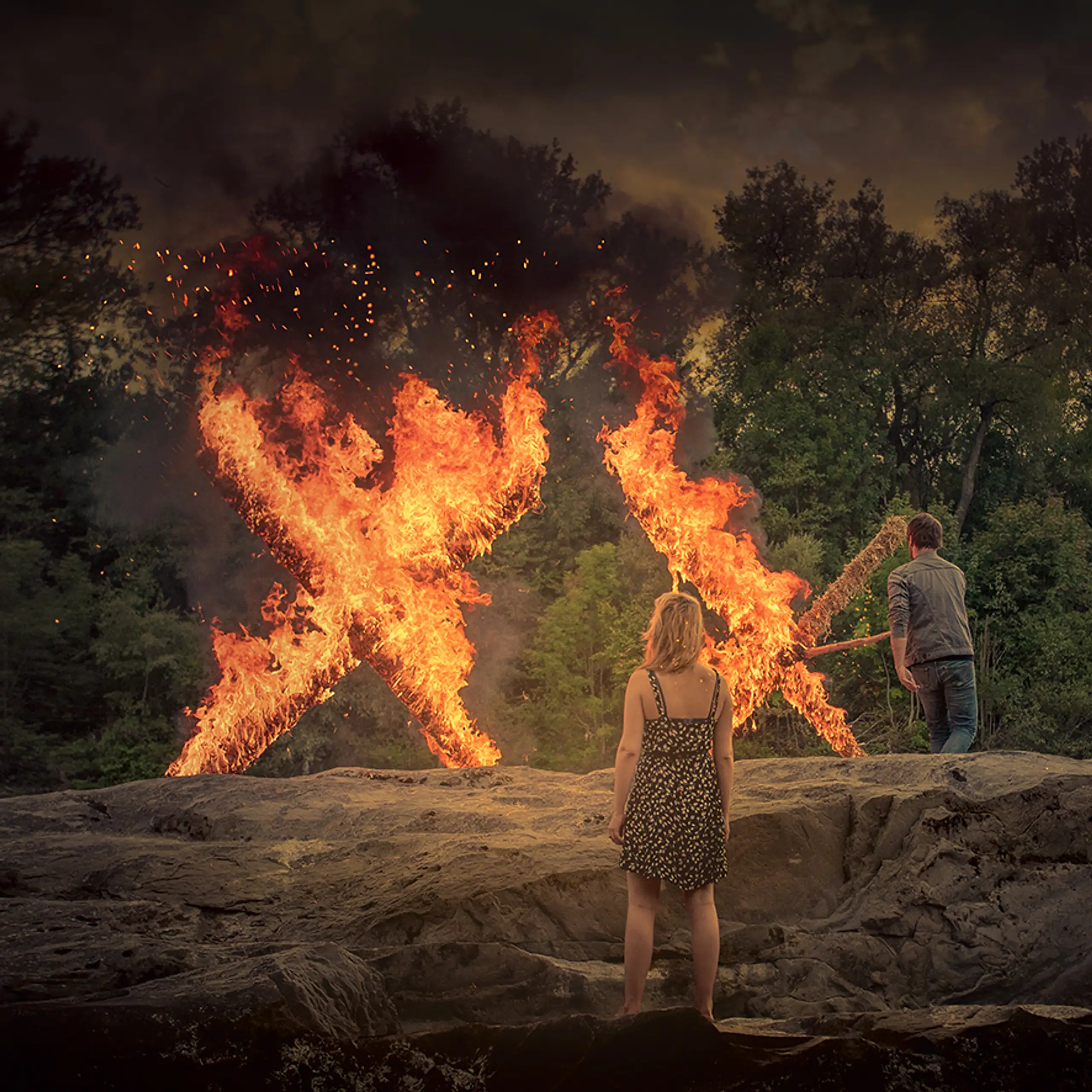
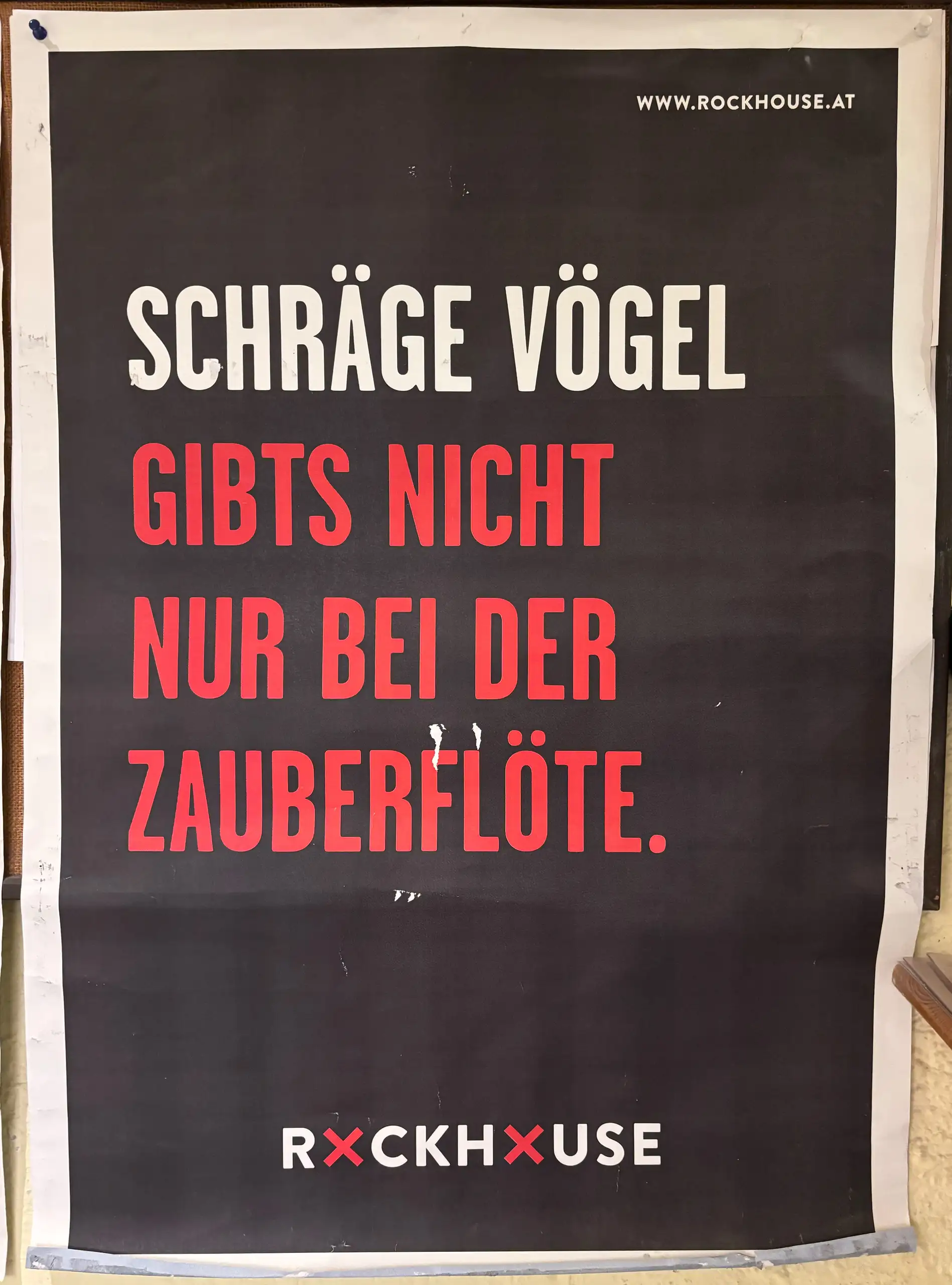
The logo is revised and the letter “O” in the lettering of “Rockhouse” is replaced with “X”s (an allusion to XX = 20). Visual modernisation meets a symbolic emphasis on the house’s history.
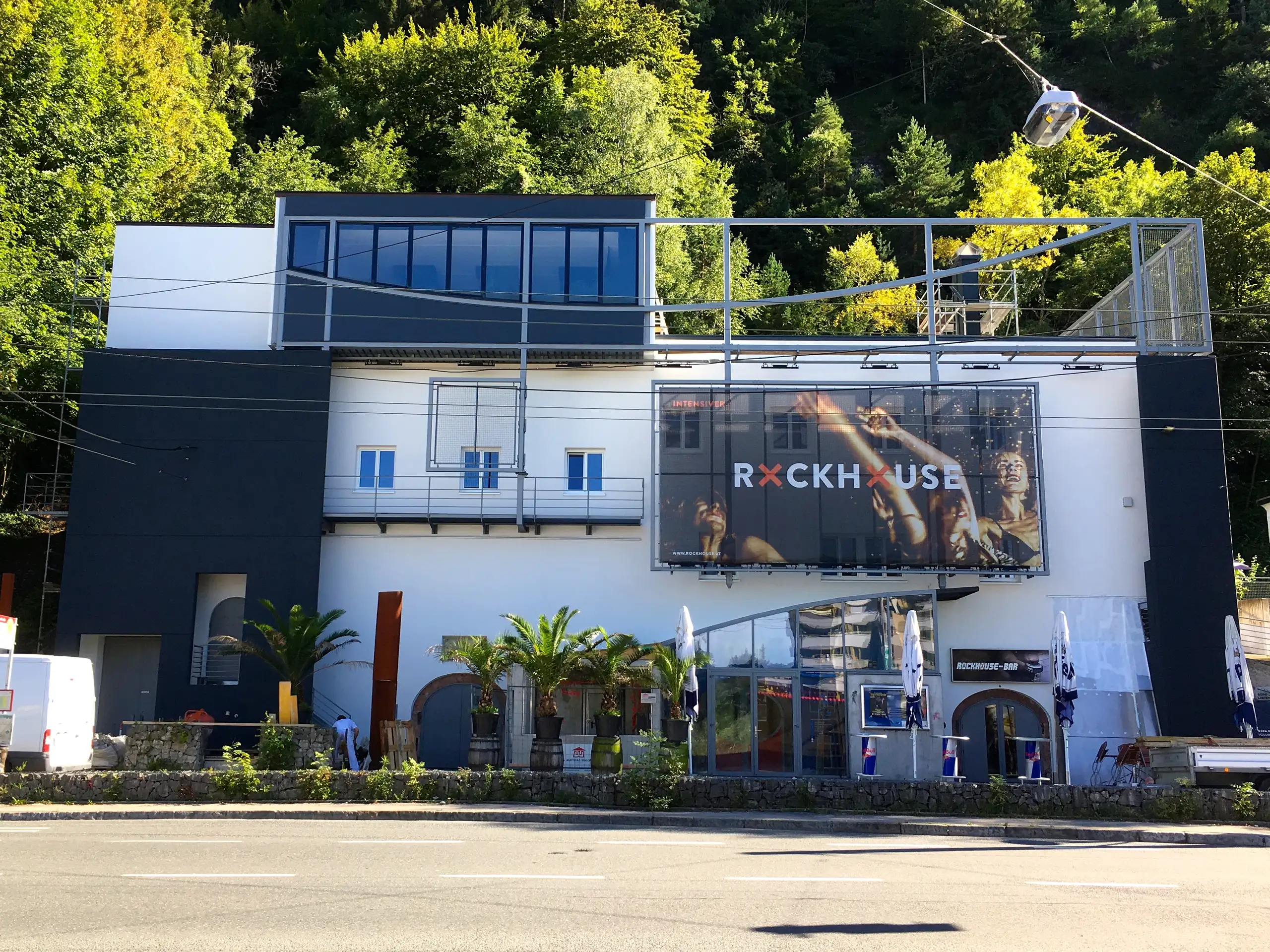
New façade design: the building’s outward appearance is modernised and architecturally reworked to strengthen its visibility and presence in the cityscape and to align it with Rockhouse’s new design language.
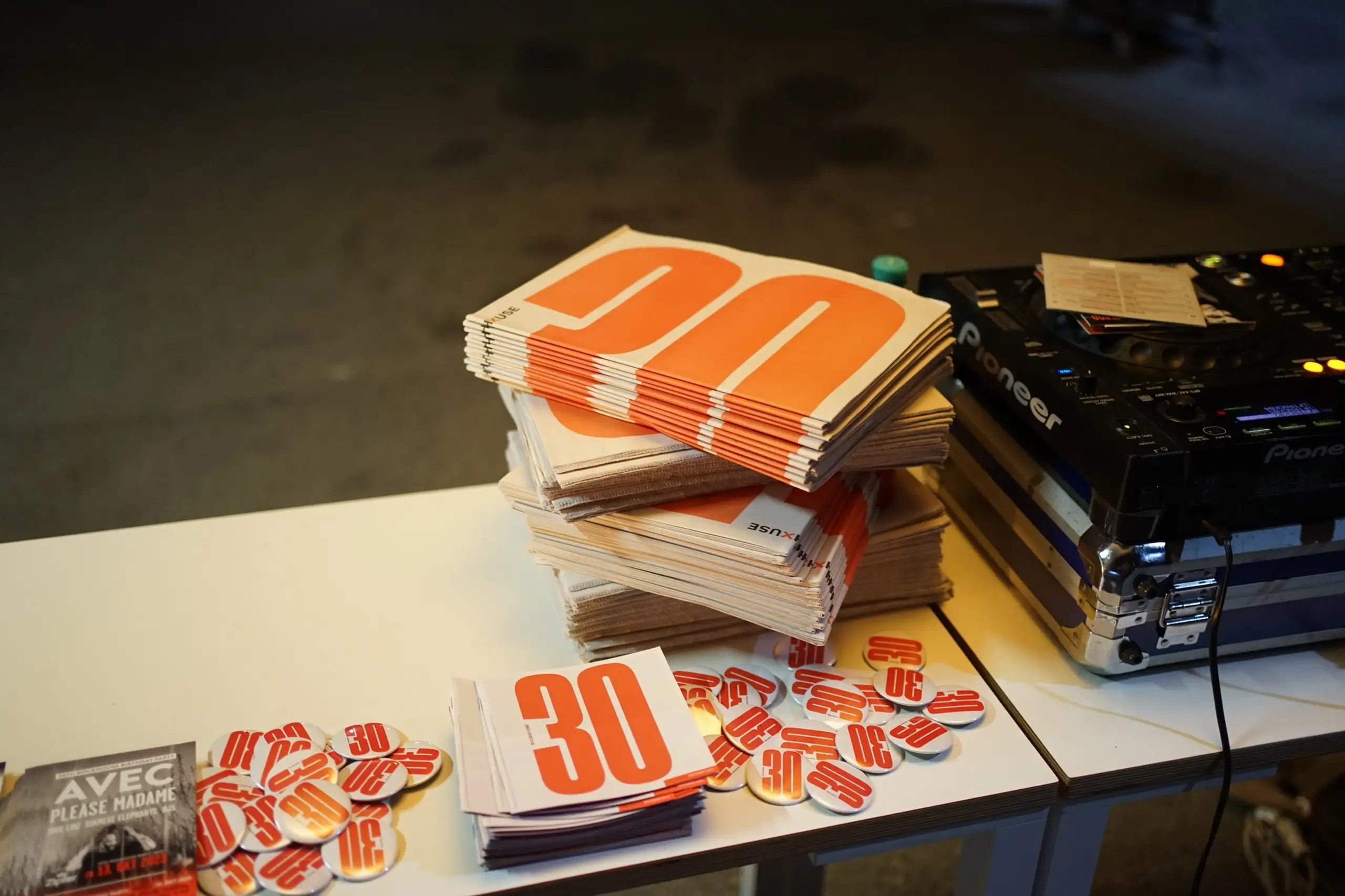
30th anniversary - three decades of Rockhouse.
As of 2023 and the result of 30 years of Rockhouse: more than 6,000 concerts and over 10,000 artists on its stages, more than 1,000 workshops, talks and events, and over 1,000 "Local Heroes" shows.
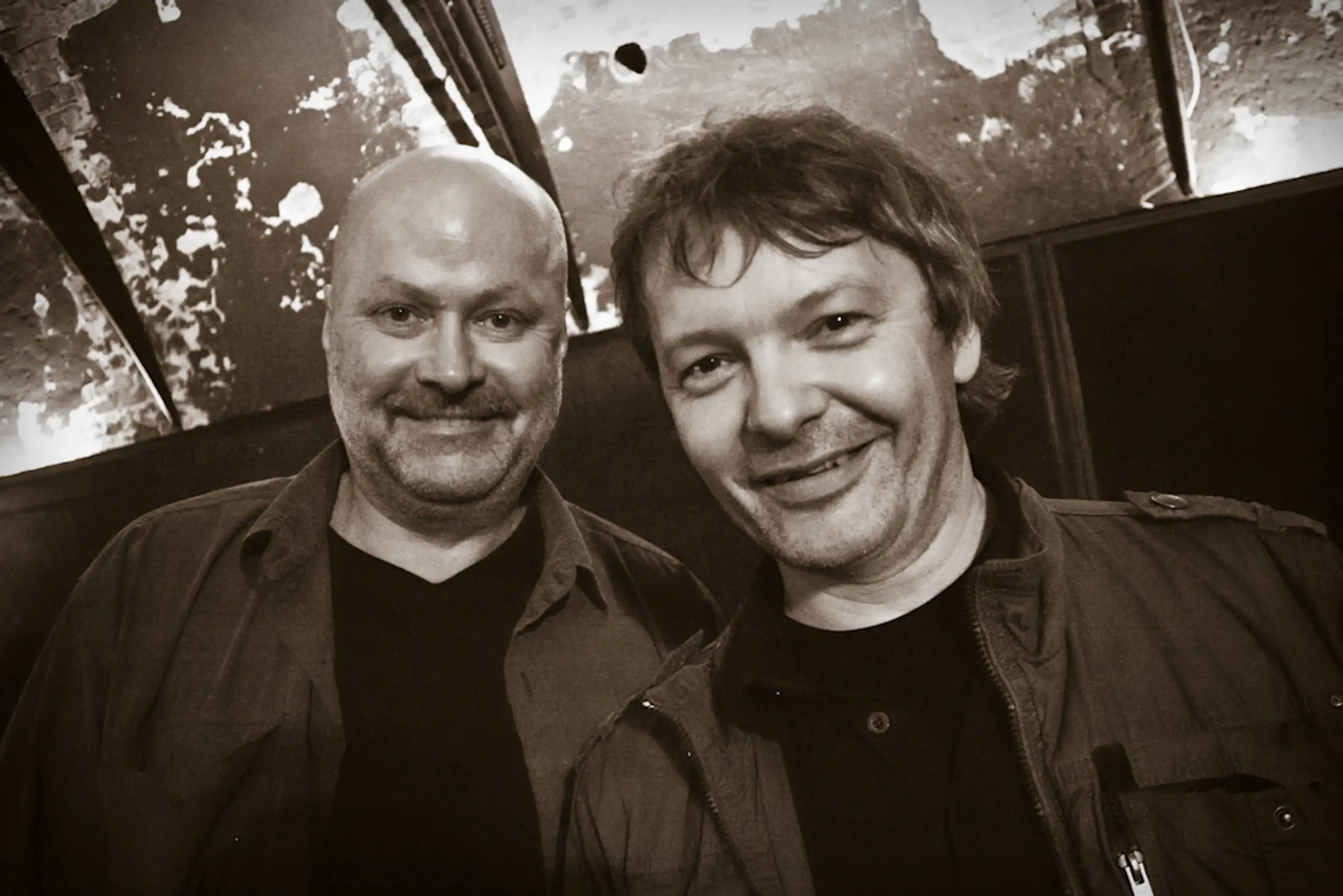
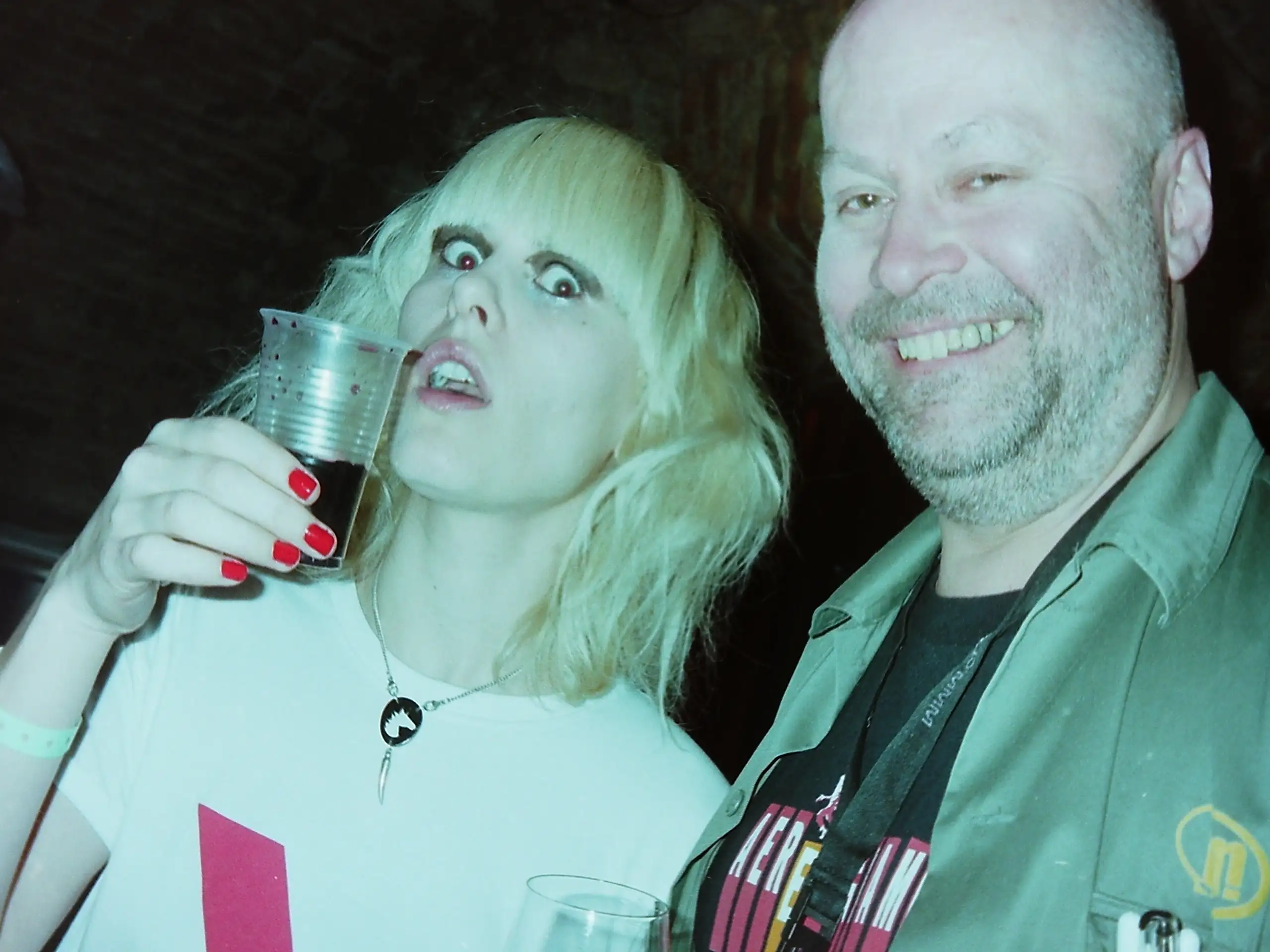
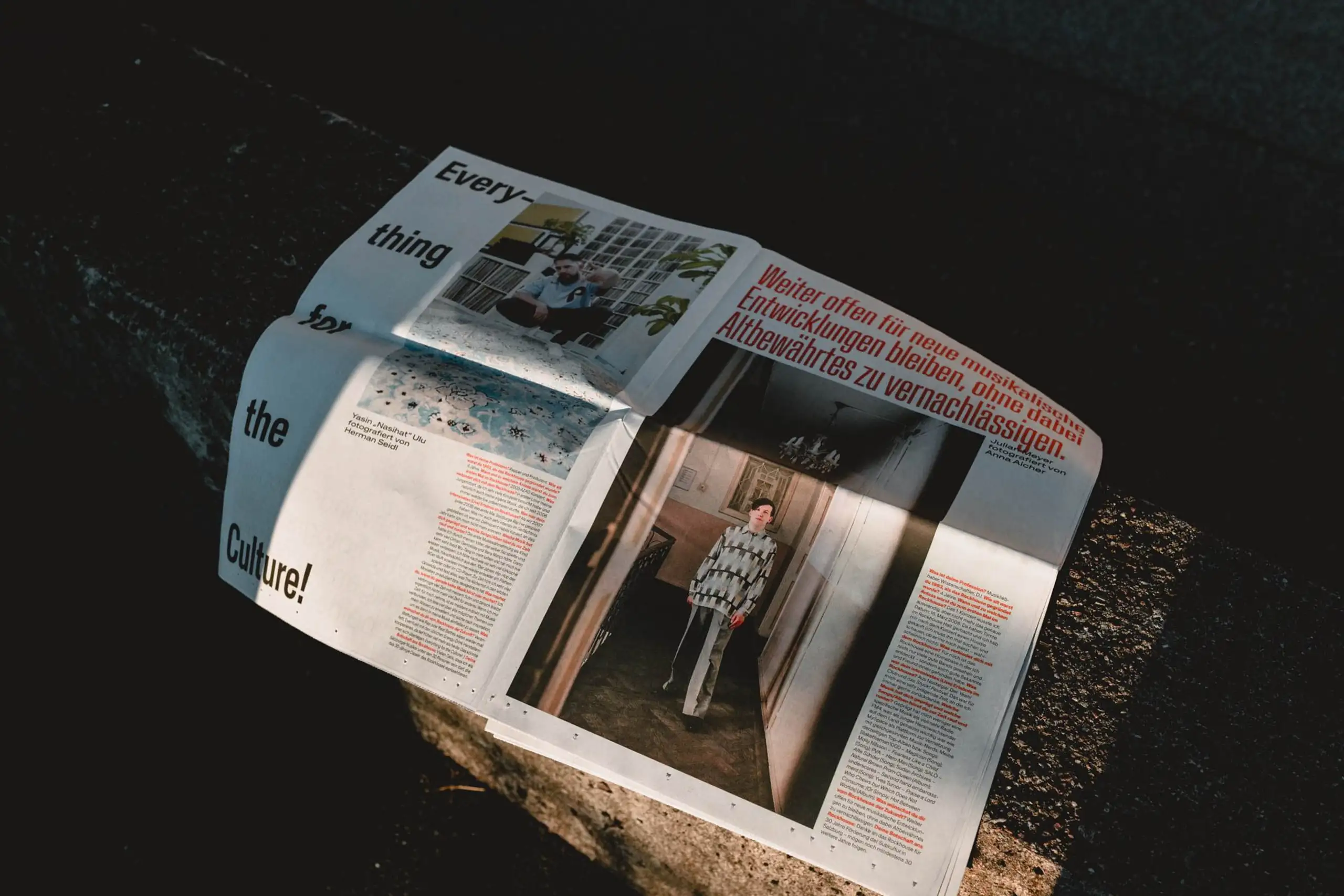
The anniversary was used for an artistic reflection: in collaboration with Fotohof Salzburg, a portrait project is created, highlighting companions and friends of the venue across the decades to document the significance of the house.
Generational handover and ongoing development: a new team takes over the leadership of the venue. This is paired with a comprehensive redesign of the visual identity and a relaunch of the website, enabling the Rockhouse to carry on their work in an up-to-date fashion.